> “In order to beat YouTube, Facebook faked incredible viewership numbers, so [CollegeHumor] pivoted to FB,” former CollegeHumor writer Adam Conover presciently tweeted last October. “So did Funny or Die, many others. The result: A once-thriving online comedy industry was decimated."
I don't understand this. Did they abandon Youtube for Facebook? They could have easily managed their followers in Facebook while continuing to upload to Youtube as usual.
A large problem is content stealers. They'll post the entire video without attribution. Also Facebook for a very long time didn't do anything to prevent content stealing even with takedown notices there were too many. FB didn't have an automated system.
College humour was basically forced to put their entire video just to retain views.
Not sure why I was flagged, @fatjewish was popular on twitter/ig/etc. and was nearly given a comedy central show until comedians complained that he stole jokes.
Robert Evans (from Behind the Bastards podcast) mentioned in one of his episodes what happened at Cracked when FB's falsified lure led to a strong content pivot to FB.
This, obviously, didn't pan out according to what was advertised. The way I understand it, management trusted FB more than they should've, overhauling the way they approached content, which resulted in all the eggs being in one dropped basket.
Before they started posting native video on Facebook, their Facebook page consisted of links to stuff posted on the CollegeHumor website. Fans would share CollegeHumor posts to their own timeline, and their friends would click on the links and go to CollegeHumor's site and partake in the community, and if they liked it enough, they'd bookmark the website and just go there.
But with native video, you don't get that. What happens on Facebook stays on Facebook. People who watch a video on Facebook might like the video or even leave a comment, but they won't follow through and go to CollegeHumor's website. When they're done with the video, they'll just continue scrolling through their feed.
What’s interesting is there’ve been a couple threads recently on HN talking about this with medium. Bloggers who’ve lost a significant amount of self referral traffic by relying on medium for it’s traffic spikes.
Seems to be a common pattern unintentionally trading your long tail for initial spike traffic. I’d be surprised if this is ever sustainable.
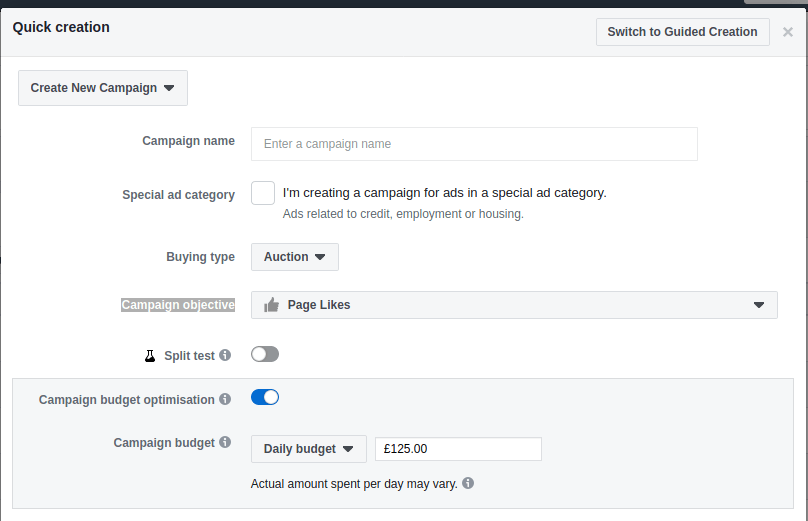
> Page likes ads help you reach people who may like your Page. If your goal is to increase awareness of your business, these ads are a way to promote your Page to people who are interested in your content or businesses like yours.
> To help drive more views and subscribers to your channel, you can pay to run an ad campaign for your videos on YouTube through Google Ads. You can create an ad that appears before a video starts, or alongside a video on its watch page on YouTube.
Both ban purchasing fake followers, but they'll happily take money to put your page/channel in front of potential genuine subscribers.
To my understanding, what Facebook tried to present to online producers was that publishing native video directly on Facebook was insanely lucrative, not just that they should have a Facebook page.
Would there be significant disadvantages in using both platforms at the same time? Or does "pivoted to FB" also imply that the content was adjusted to FB audience?
Using, no, but at some point there will have been meetings about where to use the marketing budget.
"We can buy Facebook likes, or YouTube subscribers."
"Engagement's so much better on Facebook, let's buy likes."
Facebook's incorrect (dramatically so - as high as 900% inflated) stats made buying a like look way more cost effective, so that's where the budgets went.
They allegedly fell victim to the whole "pivot to facebook video" craze caused by Facebook misreporting their video engagement figures.
Whether some business unit inside Facebook did this intentionally or not, it's a big reason why I think media companies have turned against Facebook as they feel like they got ratfucked.
Maybe this has already happened, but wouldn't this be grounds for a lawsuit? If businesses are going bankrupt because of outright lies or negligence on a company's part, I would think you have grounds for damages and class-action lawsuit.
I'm speaking out of my butt here, I'm not a lawyer.
This is kind of depressing; I suspect that $40 million is barely a blip in Facebook's advertising budget, so the sad part is that this probably had almost-literally no effect on them.
I guess it's not a new thing for corporations to own the world, but it's always sad when I'm reminded of it.
It is completely intentional, and a company-wide initiative. I have been to several digital marketing conferences and at the big ones there is always a FB speaker/panelist that's there for no other reason than to shill for "video marketing" on FB.


But I guess its costs were too high such that if it just distributed it all via YouTube it couldn't make any money?