A paragraph from the previous essay by the OP comes to mind:
> Less sardonically, there is a lesson here: systems which intermediate between cultures are useful. Intermediating between cultures is a thing the world urgently needs and is extremely prepared to pay for.
I don't think decentralized currency will actually solve the issues travelers have with this, at least without reproducing much of the infrastructure already in place for traditional currencies.
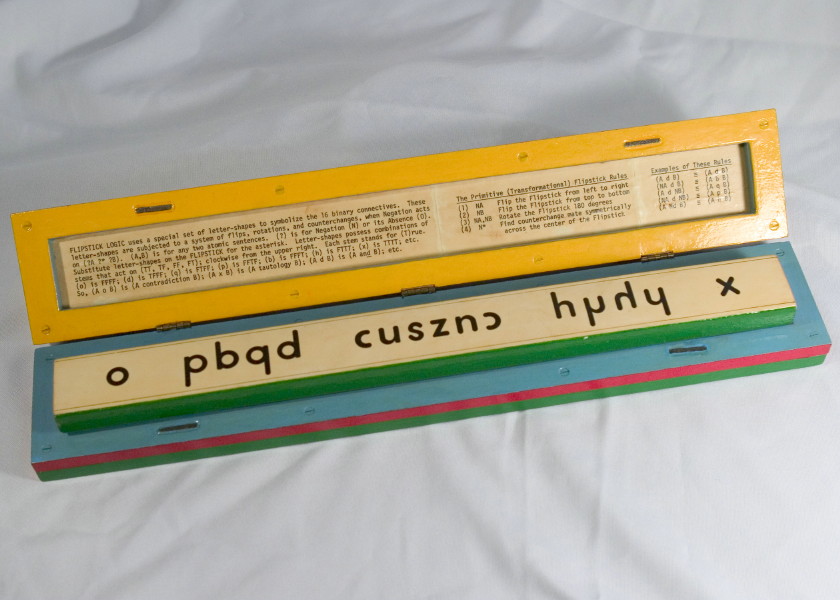
The Logic Alphabet (linked to above at http://www.logic-alphabet.net/images/flipstick_2347_2.jpg), which has a similar concept, seems to have better support: it can represent twelve of the symbols using Latin letters (o, p, b, q, d, c, u, s, z, n, h, and x, although z, u and n seem a bit forced) and the others seem to have decent Unicode equivalents (ɔ or ⊃ (superset), μ (Greek letter mu), ɥ or ч, and maybe ʎ).
A bit late to the party, but you have written excellent documentation at https://hubris.oxide.computer/reference/. It immediately answered the questions I had after reading 'Animats several comments on IPC. This is particularly impressive since "right now we are laser focused on shipping Oxide's product": I, at least, often don't prioritize documentation.
I once sent him a letter (snail mail) addressed to Donald Knuth, c/o Stanford Computer Science Department (address at bottom of http://www-cs.stanford.edu/). He got back within a couple of weeks, so it seems to have reached him fairly efficiently.
FiveThirtyEight had an interesting piece on how politicians have stronger incentives to provide relief after disasters than prepare for them before hand.